

How To Choose The Most Sustainable Packaging

Understanding the Importance of Sustainable Packaging
In today's world, sustainability is more than just a buzzword; it's a critical consideration for businesses looking to minimise their environmental impact. Sustainable packaging plays a crucial role in this effort, as it reduces waste and conserves resources. By choosing eco-friendly packaging, companies can showcase their commitment to environmental stewardship, appeal to conscious consumers, and contribute to a healthier planet.
Moreover, sustainable packaging often involves innovative designs and materials that can enhance the functionality and aesthetic appeal of your products. This not only helps in differentiating your brand but also in building a positive reputation among consumers who value sustainability.
Key Factors in Evaluating Packaging Sustainability
When evaluating the sustainability of packaging options, several key factors should be considered. Firstly, the material's environmental footprint, including its production, use, and disposal, is paramount. Opt for materials that are recyclable, biodegradable, or compostable to ensure they have a minimal impact on the environment.
Secondly, consider the packaging's durability and functionality. Sustainable packaging should not compromise the integrity of the product it protects. Additionally, the life cycle of the packaging, from sourcing to end-of-life disposal, should be assessed to ensure it aligns with your sustainability goals.
Types of Sustainable Packaging Materials
There are various types of sustainable packaging materials available, each with its unique benefits. Recycled paper and cardboard are popular choices due to their recyclability and biodegradability. They are versatile and can be used for a wide range of products.
Bioplastics, made from renewable sources like corn starch or sugarcane, are another excellent option. These materials can be compostable and offer a reduced carbon footprint compared to traditional plastics. Additionally, materials like aluminium are highly recyclable and can be reused multiple times without losing quality.
Best Practices for Implementing Sustainable Packaging.
Implementing sustainable packaging involves a thoughtful approach that integrates environmental considerations at every stage of the packaging process. Start by conducting a thorough audit of your current packaging materials and processes to identify areas for improvement.
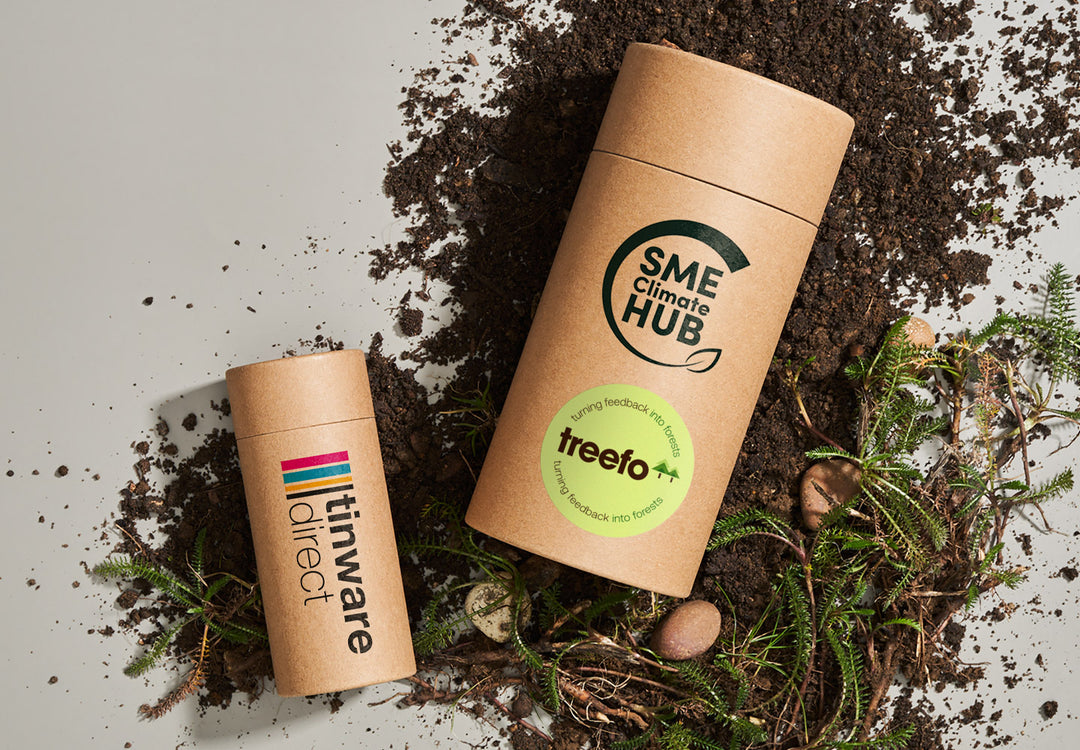
Collaborate with suppliers who prioritise sustainability and can provide eco-friendly materials such as cardboard tubes. Educating your team and customers about the benefits of sustainable packaging is also crucial. Clear labelling can help consumers make informed choices about recycling or reusing the packaging.
Success Stories: Brands Leading the Way in Sustainable Packaging
Several brands have set exemplary standards in sustainable packaging, demonstrating that eco-friendly choices can also be commercially successful. For instance, Patagonia, an outdoor clothing brand, uses recycled and recyclable materials for its packaging, significantly reducing waste and energy consumption.
Similarly, Lush, a cosmetics company, employs minimal and biodegradable packaging, often encouraging customers to bring back containers for reuse. These brands not only lead by example but also inspire others in the industry to adopt more sustainable practices.
Joining these brands in the march towards a greener world will help you appeal to key demographics who are more eco-conscious than ever before. With the right packaging, you can send a clear message that your brand wants to help the world heal.