

How can cosmetic packaging affect shelf life, shipping and product protection?

Choosing the right packaging for cosmetic products is an important decision for any beauty, skincare or wellness brand. From creams, balms or powders, the packaging material can influence the shelf life, shipping, sustainability and even how customers perceive the product.
From skincare creams to soaps and grooming products, every cosmetic ingredient needs different packaging needs. Some products require protection from light and air, others can withstand handling, storage and transport. In this blog we will explore some of the most common cosmetic packaging materials and how they can affect shelf life and product protection.
Material Matters
Did you know that cosmetics can be sensitive to a range of different factors - air, moisture, light and heat. The right packaging helps reduce these elements and support the product.
Good packaging can help to:
-
Protect the product from damage.
-
Reduce the risk of leaks.
-
Support freshness.
-
Improve handling and storage.
-
Create a professional appearance.
-
Make shipping easier.
-
Enhance the overall customer experience.
Packaging is especially important for brands that sell online, these products may be handled multiple times before reaching the customer. A container that looks lovely may not offer enough protection and could lead to damaged goods, poor reviews and returns.
Things To Consider When Choosing Cosmetic Packaging
Before choosing a packaging material, it’s important to think about what your product actually is and how it will be used.
A lip balm, for example, is very different to powder. Balms, waxes and solid perfumes need easy to open and close. Whereas powders need protection from spillage and moisture. Creams and lotions may require tighter seals and packaging that works well with the product's ingredients.
Formula sensitivity is another consideration. Natural cosmetics, products containing oils or active ingredients may need more protective packaging to help maintain its quality. It’s also worth thinking about how your customer will use the product? Is it an everyday product? Where will the product be stored, in the bathroom or handbag?
Finally, packaging needs to be practical for shipping, stacking and handling during transit. Especially e-commerce businesses sending individual orders to customers.
Tinplate Packaging
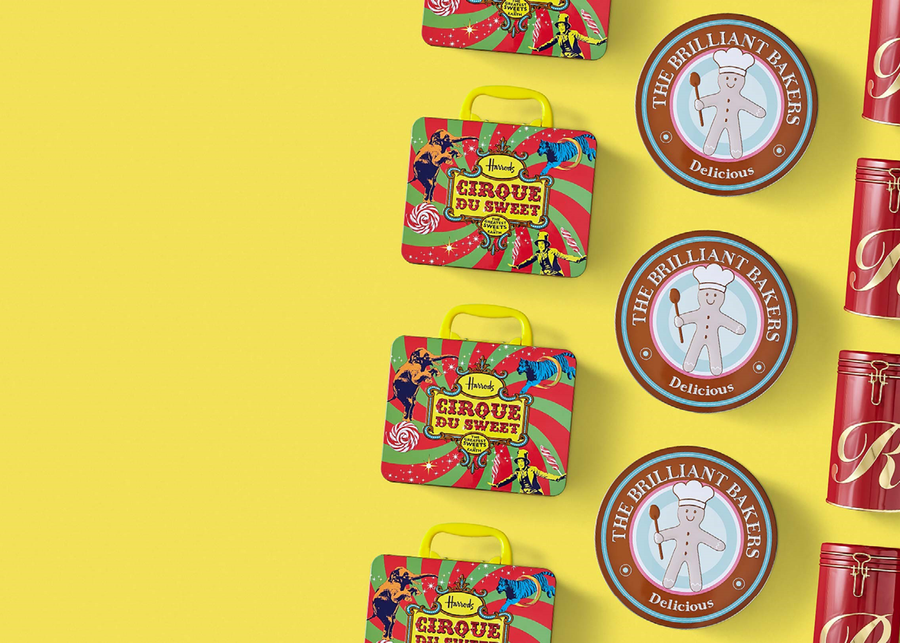
Tinplate is a popular option for solid cosmetic products. It’s commonly used for lip balms, beard balms, waxes, soaps and shampoo bars.
One of the biggest advantages of tin packaging is the fact it is lightweight while still offering protection. Tins are durable and compact, which is well suited for products that need to be stored and carried around.
Tins can help products from external damage and contamination when paired with a suitable closure. Tinplate packaging is a strong choice for brands looking for the right presentation and durability.
Glass Packaging
Glass is associated with premium cosmetics, widely used for creams, serums and perfumes. It has a high quality look and feel, making it feel more appealing for brands that create more premium customer experience.
Glass can provide strong barrier protection. Tinted glass, such as frosted glass can help reduce light exposure for products containing sensitive ingredients. The main problem with glass is how fragile it is. Whilst it looks elegant, it is more likely to break during shipping if not protected properly. This means brands need to use outer packaging or protective inserts, which adds shipping costs.
Plastic Packaging
Plastic remains widely used in the cosmetic industry, as it’s lightweight and flexible. It is commonly used for tubes, bottles, pumps for creams, lotions and liquid products.
However, plastic is not always the most environmentally friendly option. Many plastic containers are designed for single use and recycling can depend on the type of plastic, local recycling facilities whether the packaging contains mixed materials. This makes plastic less appealing for brands that have a sustainable or eco-conscious feel.
For this reason, many cosmetic businesses are exploring alternatives such as aluminium and tinplate. These materials offer a more reusable and recyclable packaging option, while strong protective and premium packaging appearance.
Aluminium Packaging
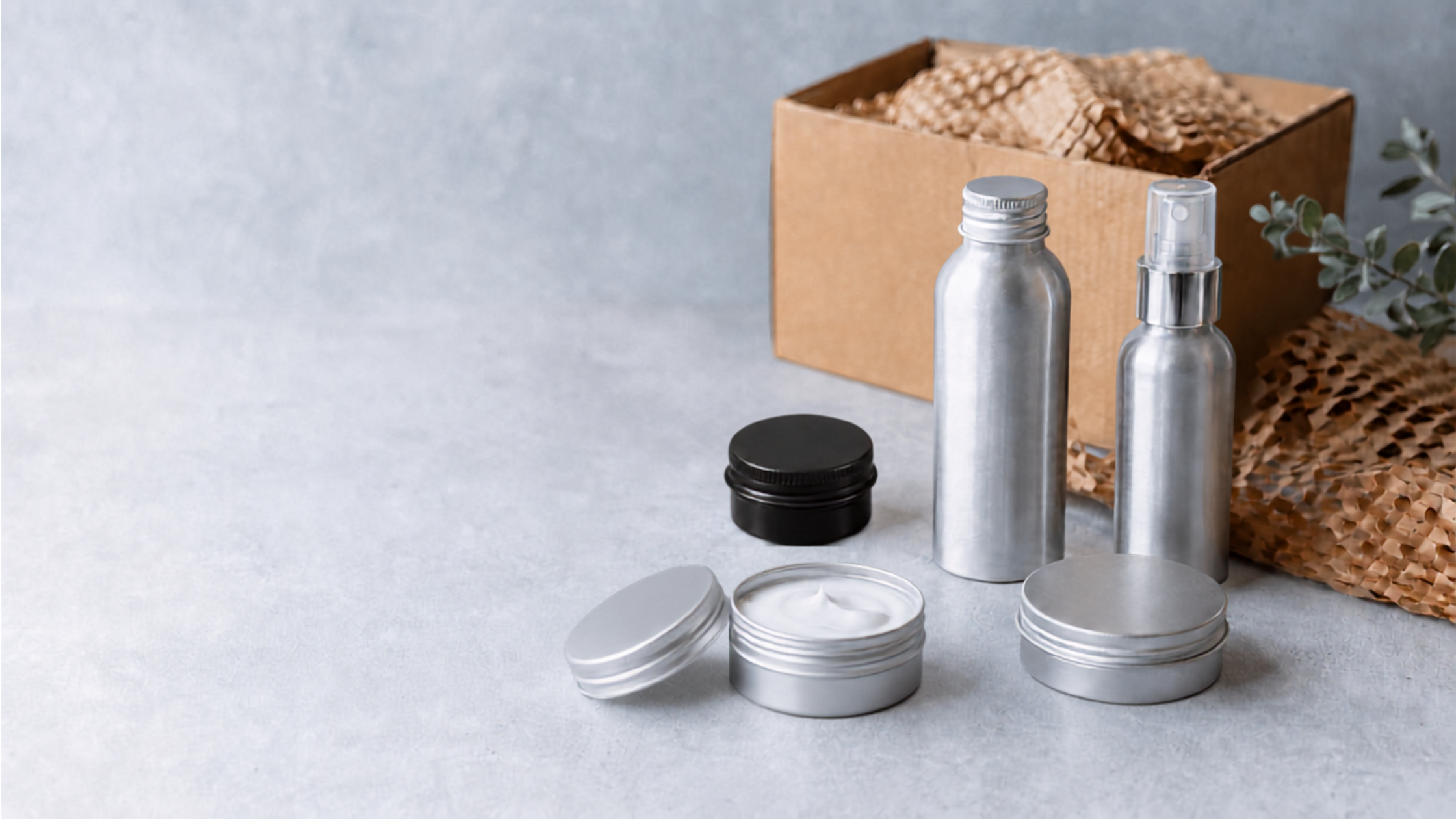
Aluminium is another common option in cosmetic packaging and is often used for tins, tubes, bottles and jars. It’s lightweight, recyclable and provides a strong barrier against UV.
Aluminium packaging has a modern appearance and is often used by brands looking for a sleek format. Aluminium works well for balms, creams and travel sized cosmetics.
For brands looking to improve the seal of their tin packaging, EPE liners can also be used. Available from Tinware Direct, EPE liners have soft foam liners sitting inside the lid which helps create a closer fit when the container is closed.
For shipping, aluminium is generally lightweight and robust. It offers a good balance between protection, appearance and sustainability for many cosmetic brands.
Cardboard Packaging
Cardboard packaging has multiple uses. It can be used as outer packaging, but can also be used as the cosmetic packaging itself. Cardboard packaging can be used to be printed and designed quite easily. It’s lightweight which makes it perfect for shipping.
Cardboard is not usually suitable for cosmetics due to there not normally being a protective barrier. However, Tinware Direct offers FSC approved cardboard products with water resistant liners. With a water resistant coating, this cardboard packaging is suited for cosmetics such as creams, wet or dry products.
Does Packaging Impact Shelf Life?
Packaging can help protect product stability by reducing exposure to external factors. Light blocking materials can help protect sensitive ingredients. Moisture resistant packaging is important for powders, bars and solid products.
Packaging that can be closed securely helps protect the product before use and between uses. This is particularly true for products that are opened frequently or used in bathrooms, handbags or travel bags.
The best approach is to choose packaging that protects your product effectively while also aligning with your brand values and the expectations of its customers.
The right cosmetic packaging material depends on the product, the formula, brand and the way products are sold and shipped. Each material all offers different advantages and each has a role to play in protecting cosmetic products.
If you’re looking for cosmetic packaging for balms, soaps, perfumes or grooming products, explore Tinware Direct’s range of packaging to find a practical and attractive solution for your cosmetic brand.